Qwen-Image 3.0 bets the future of image AI is usefulness, not beauty
Alibaba's third-generation image model chases dense, text-heavy layouts — 4.5k-token prompts, legible 10px text, 12 languages in one pass — but every claim so far is a vendor demo, not a benchmark.
The 60-second version
Alibaba's Qwen-Image 3.0 reframes image generation as a productivity tool — dense, text-heavy, layout-accurate images built for real work, not just pretty pictures.
Key points
- Core theme is 'Real' (实) = useful; three pillars: Rich Content, Authentic Details, Deep Knowledge.
- Headline claims: 4.5k-token prompts, single-pass 3×3 infographic grids, legible 10px text, 12 languages native, live web facts.
- Targets newspaper PDFs, storyboards, complex UIs, education and e-commerce.
- Every figure is self-reported and shown with curated demos — no independent benchmarks yet.
Verdict. A bold bet that image AI's next frontier is usefulness over beauty. The specs are checkable; the quality claims aren't — wait for outside tests before believing the wow.
The pitchFrom 'good-looking' to 'useful'
Alibaba's Qwen team has released Qwen-Image 3.0, the third generation of its image-generation model. Qwen labels each version with a keyword: 1.0 was "Precision"; 2.0 was "Precision, Variety, Completeness, Beauty, Authenticity". Version 3.0, they say, comes down to one word — "Real" (实). And by real they don't mean glossy — they mean *useful*: images dense and accurate enough to deploy as real work, like slides, storyboards and interface mockups.
That's the bet in a sentence. Most image models compete on how pretty a picture looks. Qwen is arguing the next frontier is how much *correct information* you can pack into one — text, layout, formulas, UI — without it turning to mush.
How they frame itThree pillars
Qwen organizes the release around three claimed strengths. Here's what each is meant to answer:
| Pillar | Question it answers |
|---|---|
| Rich Content | How much can it draw? |
| Authentic Details | How finely can it draw? |
| Deep Knowledge | How broadly can it draw? |
Pillar 1Rich content — width and depth
The centerpiece demo is a 3×3 grid where every cell is a different complex infographic — a geometry lesson, a physics projectile diagram, a biology explainer, a bank compliance chart, and more — each with its own Chinese and English text, formulas and characters. Qwen says describing the whole thing took about 3.7k tokens, and that it was generated in a *single pass* rather than stitched from nine separate images.
Beyond that horizontal "how many things fit on one canvas", they show depth: a picture-in-picture-in-picture demo nesting a code editor inside a chat app inside a messaging app inside a poster — each layer keeping its own authentic look.
Pillar 2Authentic details — the small-text test
The sharpest claim is tiny-text legibility. Qwen stress-tests it with a full page of an academic paper — LaTeX formulas, sub/superscripts, Greek letters, multi-line equations — and a dense whale-shark infographic. On texture, they point to pores, individual hair strands and near-photographic skin. Editing demos include overlaying realistic handwritten notes on a book page and restoring a damaged ink painting while matching the original brushwork.
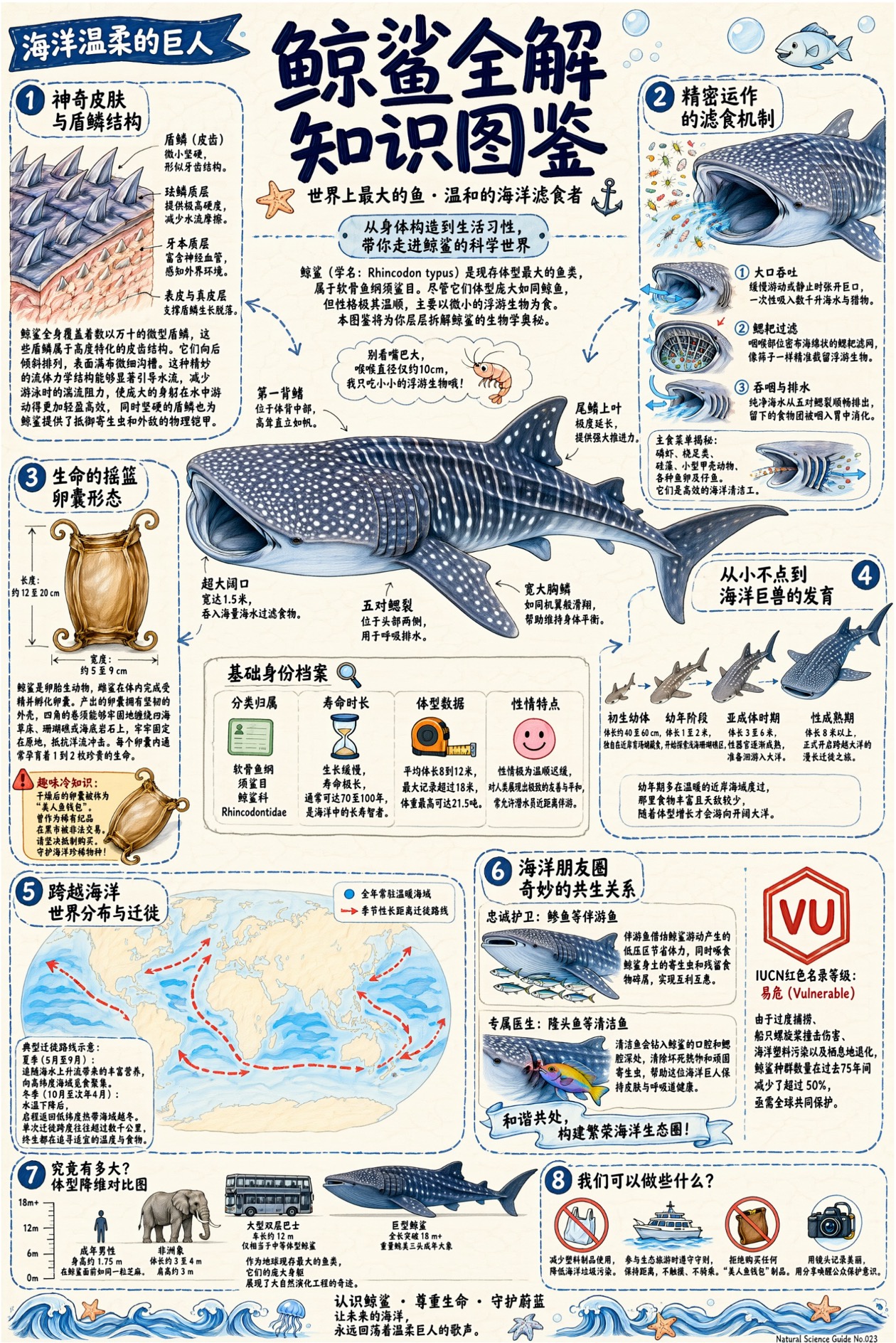
Pillar 3Deep knowledge — languages, UIs, live facts
Qwen claims native rendering of 12 languages (Japanese, Korean and Spanish are shown), 100+ artistic styles, and realistic UI layouts for web pages, games and livestreams. The model draws on world knowledge and, notably, can reach the live internet — one demo generates a weather-forecast card for a specific city on a specific date.
The token limits are checkable. The quality is not — at least not yet.
The catchImpressive, and entirely self-reported
This is a vendor announcement illustrated with hand-picked examples. There are no independent benchmarks, no third-party comparisons, and no published error rates. The concrete, verifiable parts are the specs — the 4.5k-token limit and the 12-language count. The wow-factor — flawless tiny text, one-pass grids — is a claim you can't yet check against your own prompts. It's a genuinely interesting strategic bet; whether it holds up in real use is a question the demos can't answer.